Eyelash extension patches: how to choose the best ones for a comfortable work experience
Eyelash extensions are a procedure where every detail matters. Even high-quality materials and a highly experienced technician can't guarantee a perfect result if the consumables are chosen incorrectly. Patches are one such crucial element. Many beginning technicians ask: what exactly are patches, why are they needed, and how do you choose the right one for the job?
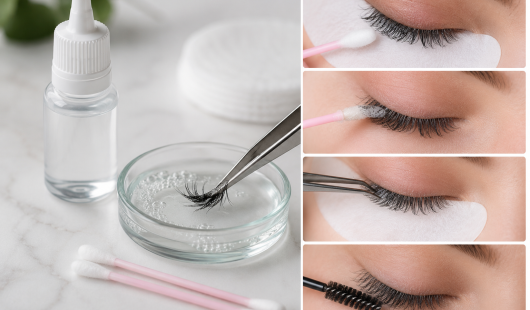
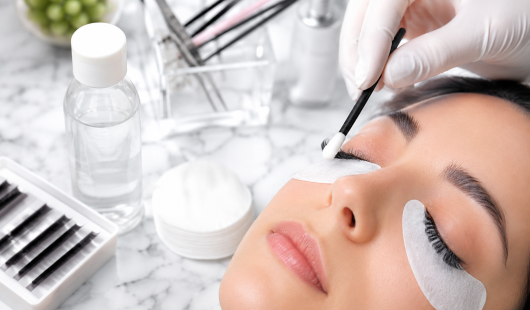
Simply put, what are patches? They are special pads that are applied under the lower eyelid and help isolate the lower lashes during the procedure. They allow the technician easy access to the work area, and the client feels comfortable. You often hear questions about what under-eye patches are – in the lash industry, they are not only a skincare product but also an essential professional tool.
What types of patches are used for eyelash extensions?
Before purchasing, it's helpful to understand the different types of eyelash extension patches and how they differ from each other. Hydrogel patches are considered the most popular, as they adhere well and provide additional skin care.
The main types of eyelash extension patches:
Hydrogel patches;
Collagen patches;
Reusable silicone patches;
Fabric patches;
Lint-free professional patches for sensitive skin.
Technicians especially often use hydrogel patches. It's no surprise that queries like "hydrogel patches" and "hydrogel eye patches" remain among the most popular among beginners. These patches contain moisturizing ingredients, adhere well to the skin, and are virtually non-shifting during the procedure.
Which patches are best for eyelash extensions?
There's no definitive answer to the question of which eyelash extension patches are best. It all depends on the artist's specific needs and the client's preferences. However, there are a number of characteristics worth paying attention to first.
High-quality patches should be securely in place, not slip during the procedure, and be easily removed without irritating the skin. This is why many specialists, when answering the question of which patches are best for eyelash extensions, recommend choosing models with a soft hydrogel base and an anatomical shape.
If you're considering which eye patches to choose, consider the client's skin sensitivity, the duration of the procedure, and the comfort of placing the patch under the lower eyelid. The right choice affects not only the client's comfort but also the technician's speed.
How to choose the right patches for your work
Beginners often ask: how to choose patches and what characteristics to look for first. In practice, it's quite simple.
When choosing, it's important to consider:
Material density;
holding strength;
size and shape;
presence of care ingredients;
hypoallergenic composition.
If you're wondering how to choose eye patches, pay attention to the quality of the hydrogel base. For sensitive skin, it's best to choose the softest models. This leads to other popular questions: how to choose eye patches and which eye patches to choose. In all cases, the main criteria remain the client's comfort and the technician's convenience.
It's also helpful to remember that the answer to the question of which eye patches to choose depends on the specific goal. For long-term, volumetric extensions, denser models are usually used, while lighter options are suitable for quick procedures.
Where to buy high-quality eyelash extension patches
After choosing the right type, the next question is where to buy eyelash extension patches. It's best to choose specialized stores specializing in lash products, where professional materials from trusted brands are available.
Today, you can easily buy eye patches for eyelash extensions online, compare the characteristics of different models, and choose the one that best suits your style. It's important to consider not only the cost but also the quality of the product. In summary, choosing eyelash extension patches is much more important than it seems at first glance. Properly selected patches help improve the quality of the procedure, reduce the time needed, and make the client's visit as comfortable as possible. That's why experienced professionals always pay close attention to the selection of this small but crucial consumable.