Eyelash extensions: types, effects and how to choose the right one
Eyelash extensions are a popular beauty treatment that allows you to enhance your eyes, correct their shape, and achieve a dramatic effect without the need for daily makeup. Today, there are many types of eyelash extensions, varying in technique, volume, shape, and visual results. Understanding the differences helps you decide in advance which eyelash extensions to choose for a harmonious and comfortable result.
The procedure involves gluing individual or grouped lashes to your natural lashes using a special adhesive. Therefore, it's important to know what eyelash extensions are made of, the different types of eyelashes available, and which eyelashes are needed for a specific case.
Types of eyelash extensions: materials and characteristics
Before considering the different types of eyelash extensions and their effects, it's important to understand the different types of eyelash extensions based on material and structure.
The main types of eyelash extensions are:
Synthetic lashes are the most common option, made from PBT fiber and characterized by durability and stability.
"Mink" (a conventional name) are lightweight and matte, creating the most natural effect.
"Silk" lashes are denser and glossier, suitable for bold looks and evening makeup.
Despite their names, all modern types of eyelash extensions are artificial, making the procedure safe and hypoallergenic. When choosing, it's important to consider thickness, length, and curl—these factors determine the final effect of eyelash extensions.
Types of eyelash extensions by technique and volume
There are several basic techniques that determine the final effects of eyelash extensions.
Classic eyelash extensions
A single artificial lash is attached to a single natural lash. This option is chosen by those who want a natural result. It is the basic option among all types of eyelash extension effects.
Volume Extensions (2D–3D and above)
Fusions of several thin lashes are used. The higher the number, the more dramatic the result. This is where the most noticeable effects in eyelash extensions appear.
Hypervolume (4D–8D)
Suitable for photo shoots, stage looks, and bold accents. These eyelash extension ideas require a high level of skill.
The choice of volume directly affects the longevity of the eyelash extensions and how comfortable they are for everyday use.
Eyelash Extension Effects and How to Choose Them
One of the most frequently asked questions is how to choose the right eyelash extension effect based on eye shape and the desired result. An effect is a pattern of distribution of length, curl, and thickness.
Popular eyelash extension effects:
Natural effect - mimics the growth of your own lashes;
Fox effect - elongates the eye by lengthening the outer corner;
Doll effect - creates a rounded and open look;
Squirrel effect - emphasizes the area above the pupil;
Rays - alternate lengths for a textured result.
To understand how to choose the right eyelash shape for extensions, the technician analyzes the eye shape, placement, asymmetry, and condition of the natural lashes. The shape and effect determine how well the result will look before and after eyelash extensions.
How long do eyelash extensions last and how long do they last?
Many people are interested in how long eyelash extensions last and how long they take.
How long do eyelash extensions last? 1.5 to 3 hours, depending on the volume and technique.
How long do eyelash extensions last? 3-5 weeks on average.
Touch-ups are usually required after 2-3 weeks.
It's also important to know how long you shouldn't get your eyelashes wet after extensions—at least 24 hours, and preferably 48. This directly impacts the durability and adhesion quality.
What not to do after eyelash extensions
To ensure your eyelash extensions last as long as possible, it's important to strictly follow the aftercare instructions. Many problems with eyelash extensions arise precisely from not following the instructions in the first few days after the procedure.
The main restrictions after the procedure are:
24–48 hours is the answer to the question of how long to keep your eyelashes dry after eyelash extensions;
Avoid saunas, steam rooms, and hot steam;
Avoid rubbing your eyes and sleeping face down;
Avoid using greasy creams and oils on the eyelid area;
Avoid applying mascara unless recommended by your lash technician.
Following these rules directly affects how long eyelash extensions last and how the eyelashes will look before and after extensions.
How to care for eyelashes after extensions
Proper care is key to maintaining the beauty and health of natural eyelashes. How to care for eyelashes after extensions is one of the most common requests, and consistency is key.
Care recommendations:
Gently cleanse your eyelashes with special foams;
Comb your eyelashes with a brush daily;
Avoid waterproof makeup;
Do not remove eyelash extensions yourself.
Proper care can extend the lifespan of your lashes and reduce stress on your natural lashes, which is especially important if you regularly opt for voluminous eyelash extensions.
How much do eyelash extensions cost?
The cost of the procedure depends on many factors, so there's no single answer to the question of how much eyelash extensions cost.
The price is influenced by:
Selected types of eyelash extensions;
Complexity of the effect and volume;
Materials used;
Experience of the technician and studio level.
On average, the cost of eyelash extensions varies from a basic classic option to premium volume techniques. It's important to remember: too low a price often means compromising on materials, which affects the longevity of eyelash extensions and the condition of your natural lashes.
How to Restore Eyelashes After Extensions
Even with the right technique, natural lashes require restoration. Many clients ask how to restore eyelashes after extensions and what to use to restore them after extensions.
Effective restoration measures:
Take breaks between treatments;
Use of strengthening serums;
Oils (castor, argan) in courses;
Hair growth vitamins;
Minimize mechanical stress.
It's important to understand how long it takes for eyelashes to recover after extensions—on average, 4 to 8 weeks. This depends on your individual growth cycle and how your eyelashes grow after extensions.
How long does it take for eyelashes to recover after extensions?
The question of how long it takes for eyelashes to recover after extensions is directly related to their natural growth. On average:
A full eyelash renewal cycle takes 60–90 days;
noticeable restoration occurs within 3–4 weeks;
active growth occurs with proper care and nutrition.
For those wondering how long eyelashes take to grow after extensions, it's important to consider: the process can be sped up, but it can't completely change the physiology.
What is needed for eyelash extensions and can they be done at home?
Many beginners are interested in what is needed for eyelash extensions and what they need to buy for them.
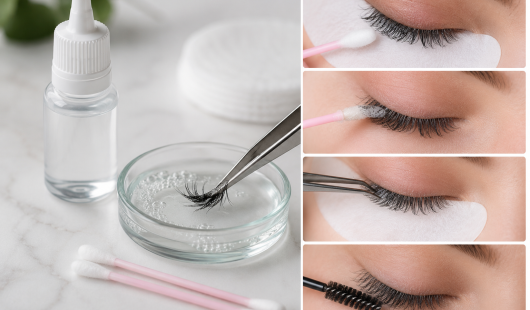
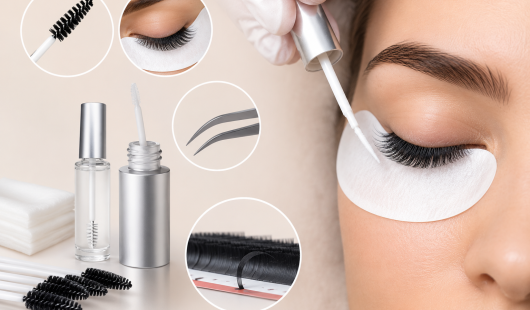
The basic list includes:
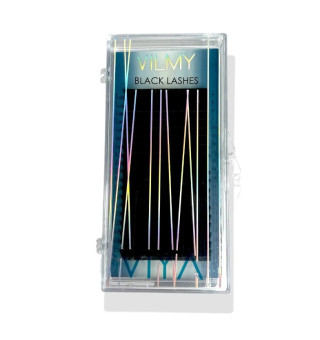
False eyelashes (various lengths and curls);
professional glue;
tweezers;
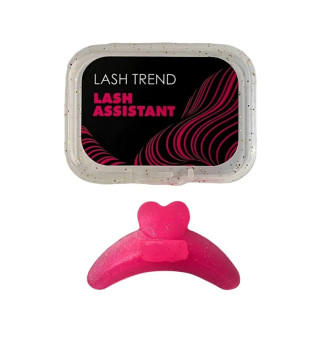
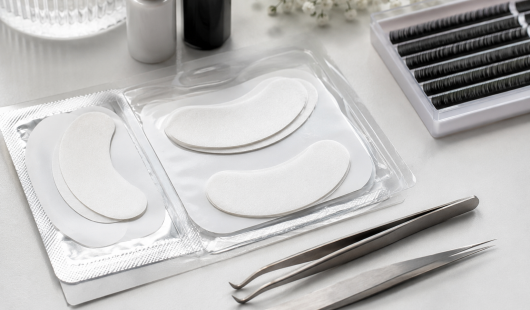
patches;
degreaser and primer;
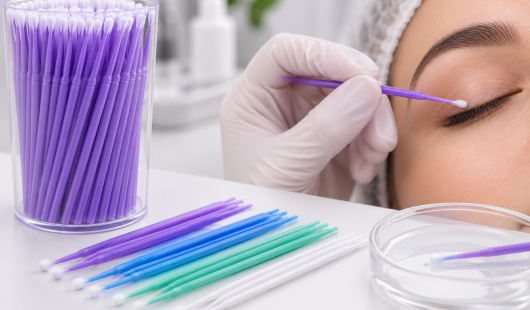
brushes and microbrushes.
However, applying eyelash extensions at home requires caution. Without preparation and practice, there's a high risk of damaging your eyes and natural eyelashes. Therefore, eyelash extensions require not only the tools but also training.
How to choose the right eyelash extensions for you
To understand which eyelash extensions to choose, consider:
Eye shape and placement;
condition of natural eyelashes;
desired look;
lifestyle.
A specialist helps determine the shape of the eyelashes for extensions, select the optimal eyelash extension effects, and create a harmonious result without overload.
How does the choice of specialist and materials affect the result of eyelash extensions?
The quality of the procedure directly depends not only on the chosen effect, but also on the type of eyelashes needed for the extensions, the materials used, and how precisely the technique is followed. Even the most popular types of eyelash extensions will not produce the expected results if low-quality fibers or the wrong adhesive are used. That's why professionals always select the type of eyelash extensions individually, based on the thickness, curl, and condition of the client's natural lashes.
The specialist's experience is equally important: it determines how accurately the eyelash extension effect is selected, whether the load is distributed evenly, and how long the results last. Insulation errors or improper application techniques directly affect the length of the eyelash extensions and how comfortable they are to wear. Using certified materials also determines the safety of the procedure—it's important to understand what eyelash extensions are made of to avoid allergies and eye irritation. Properly performed work not only allows for an aesthetically pleasing look before and after eyelash extensions but also facilitates subsequent care. This makes it easier for clients to follow post-extension care recommendations, and recovery is faster and smoother. It is the combination of professional materials, the correct selection of styles, and the specialist's experience that creates the results that make high-quality eyelash extensions a popular choice.
Conclusion
Eyelash extensions come down to balancing aesthetics and health. Understanding the different types of eyelashes available, the effects of eyelash extensions, how long eyelash extensions last, and how long they last allows you to make an informed choice. Proper care, proper technique, and high-quality materials are the foundation for a beautiful and safe result.