The Best Permanent Makeup Pigments: What to Look for When Buying
Permanent makeup has become an integral part of modern women's lives—and it's no surprise. But what does permanent makeup mean to a professional? It's more than just a facial tattoo: it's precisely calibrated work tailored to the client's skin color, texture, and expectations, with results lasting from one to three years. That's why choosing the right pigments for permanent makeup is one of the most important questions for lash and brow artists.
What are makeup pigments and how do they work?
Makeup pigments in tattooing are a suspension of coloring particles in a liquid base (water, alcohol, or glycerin), which is injected into the upper layers of the dermis. Unlike regular mascara or eyeshadow, the pigment remains in the skin for a long time—which is why color stability and biocompatibility are critical.
What are pigments used for in makeup, besides aesthetics? A high-quality formula solves several problems at once: it corrects shape and symmetry, conceals imperfections, saves the client time on daily care, and boosts their self-confidence.
Types of Permanent Makeup Pigments
What types of permanent makeup pigments are there and how do they differ?
Organic brows are vibrant, rich, and apply well, but tend to invert over time (leaning to blue or green). They are suitable for techniques with a clear outline.
Mineral (inorganic) brows are based on iron oxides and are highly stable, producing natural shades without inversion. They are ideal for realistic brow techniques.
Hybrid brows combine the benefits of both types: the excellent placement of organic brows and the stability of a mineral base. They are considered the optimal choice for most areas.
Permanent makeup pigments also vary in consistency: liquid pigments are easier to incorporate into the skin, while thicker pigments provide better coverage. Permanent makeup pigments are differentiated by purpose: universal and specialized (for eyebrows, lips, and eyelids). Using specialized pigments in the right areas produces predictable and consistent results.
How to choose the right permanent makeup pigment
This task requires considering several variables: the client's skin tone, their original hair color, the desired result, and the technique used.
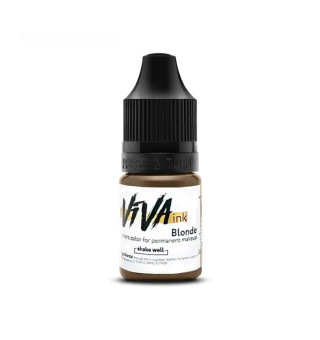
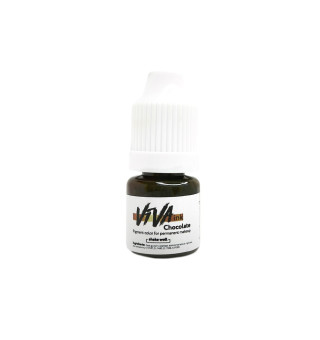
How to choose a pigment for eyebrow tattooing is the most common request. What is eyebrow pigment in the professional sense? It's a composition that should complement the natural hair color, avoid unwanted cool or warm tones during healing, and maintain a legible shape throughout the entire wear period. How to choose eyebrow pigment based on skin tone: For warm undertones, choose pigments with a brown-gold base, while for cool undertones, choose ones with ash notes. Brunettes should choose rich dark brown and graphite shades, while blondes should choose beige-blond and light brown.
Colors for permanent lip makeup are chosen differently: here, the client's natural lip color and the desired effect are taken into account. Nude pink-beige tones create the effect of "healthy lips," while more saturated shades can replace lipstick. The best pigments for permanent lip makeup should have a stable color base and not fade to blue after healing—this is the main quality criterion for this area.
What to look for when buying: a practical checklist
Which pigments are best for permanent makeup? This question can't be answered by a single brand or a single line. Here are the parameters that really matter:
Ingredients and Certification. The composition should be free of halogens, heavy metals in hazardous concentrations, and prohibited dyes. Look for products with European certifications (CE, ISO).
Shelf life of permanent makeup pigments. An opened bottle should be used within 12 months; an unopened bottle can be stored for up to 3 years at the correct temperature. Never use expired materials, as the composition changes properties and color unpredictably.
Consistency. Smooth, without sediment or separation. Shake the bottle before use; if the composition does not regain its consistency, this indicates improper storage.
Color stability. The best permanent makeup pigments are those that retain their original shade after healing without inversion to cool or undesirable tones.
Brand and reputation. The rating of permanent makeup pigments among professionals is formed by years of practice, not by advertising promises. Focus on peer reviews and recommendations from professional communities.
How to Mix Permanent Makeup Pigments
Most of the best permanent makeup pigments can be combined within the same line to create intermediate shades. Mixing between different brands is only permitted if they have the same base type—organic pigments should not be mixed with mineral pigments.
A competent approach to choosing and working with pigments is not perfectionism, but a professional standard. Use high-quality makeup pigments from trusted suppliers, and the results will speak louder than any marketing hype.