Eyebrow Brush: How to Choose the Perfect Makeup Tool
Beautiful eyebrows don't start with tint or a trendy shade, but with the right tool. The brush determines the precision of the lines, the evenness of the application, and the neatness of the result. Therefore, choosing an eyebrow brush is a pressing issue not only for professionals but also for those doing their makeup at home.
A high-quality brush allows you to control the shape, color depth, and density of the application. An unsuitable tool, on the other hand, complicates the work and often leads to an uneven result, even with a good product.
What types of eyebrow brushes are there and what are they for?
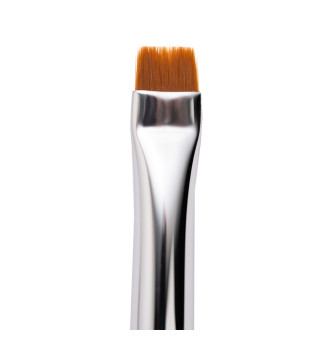
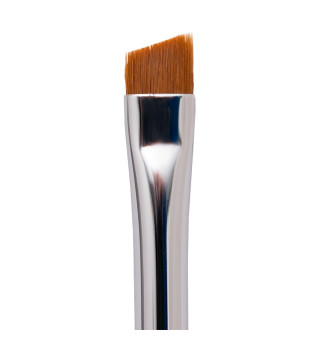
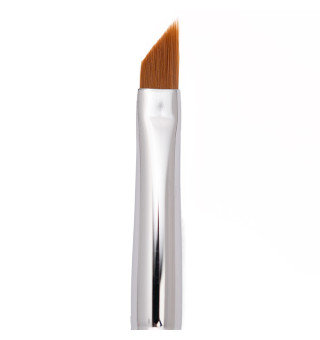
To understand which brushes are needed for what purpose, it's important to consider the shape and purpose of the tool. Angled, flat brushes are considered versatile – they are convenient for working with tint, lipstick, and eyeshadow. Thin, angled brushes are more often used for defining the tail and precise lines, while straight, flat brushes are suitable for densely filling in the shape. The brush occupies a special place – it's used for combing the hairs and softly blending the product.
For this reason, when the question arises about what brushes a brow artist needs, it's not about a single tool, but a basic set for a variety of tasks.
Bristle Stiffness: Which to Choose
When choosing a tool, it's important to consider not only the shape but also the bristles. The best brow brush stiffness depends on your goals. For tinting, firmer bristles that hold their shape and don't smear the product are preferable. For shadowing and soft blending, a medium or soft brush is suitable.
That's why the question of whether to choose a hard or soft eyebrow brush doesn't have a universal answer. If you're just starting out and aren't sure which eyebrow brush to choose for a beginner, it's best to choose a medium-hard one—it's easier to work with and more versatile.
Natural or Synthetic Bristles
Many people still wonder about the difference between natural and synthetic eyebrow brushes. Synthetic bristles are increasingly preferred among professionals. They don't absorb tint, are easy to clean, and retain their shape even with frequent use. That's why, when answering the question of which eyebrow brush is best, most professionals recommend high-quality synthetic bristles.
How to choose an eyebrow brush: key criteria
When buying, pay attention not only to the brand but also to the practical features. Generally speaking, choosing an eyebrow brush can be accomplished through several key considerations:
Comfortable shape and correct cutting angle
elastic, densely packed bristles
comfortable handle length and balance
neat assembly with no protruding hairs
These criteria will help you understand which eyebrow brush is best for your specific needs—for makeup or tinting.
How to use an eyebrow brush
Even the best eyebrow brush won't produce the desired effect without the right technique. Start with a minimal amount of product, gradually building up the color. Use short, controlled strokes, and be sure to soften the edges with the brush. This approach creates a neat and natural look.
Tool care
Regular care directly impacts the lifespan of the brush and the quality of the results. How do you wash an eyebrow brush to keep it in shape? Use gentle cleansers, rinse the bristles with warm water, and dry the brush horizontally. This is especially important for tools you regularly use to tint your eyebrows with dye or henna.
Mistakes when choosing an eyebrow brush
Even with a wide selection, many people make common mistakes:
Choosing a brush that's too soft
Buying a brush that's too wide without considering the anatomy of the eyebrows
Ignoring the quality of the bristles
Lack of a basic set of tools
Understanding these nuances is an important part of this section—everything a brow artist and anyone who wants consistent, neat results at home needs to know.
Conclusion
Understanding which brush is right for eyebrows and which brush to use to color them simplifies the makeup process and improves the quality of the results. A well-chosen tool works for you—whether you're doing your own brows or hiring a professional.